YOU'VE BEEN BREACHED: WHAT ACTUALLY MATTERS AFTER A DATA LEAK
A breach notification email is designed to alarm you, and the underlying risk is real — but panic isn't a strategy. Here's the actual, prioritized response.
Data breaches have become common enough that most people will receive multiple breach notifications over their lifetime — a retailer, a healthcare provider, a financial institution. The notification itself is alarming by design (companies are legally required to disclose), but the actual risk and the correct response are more specific and more manageable than the initial anxiety suggests.
First: Understand What Was Actually Exposed
Breach notifications typically specify what data was involved — email addresses and passwords carry different risk than a breach involving Social Security numbers or full financial account details. Reading the specific notification carefully (rather than reacting to the headline alone) determines which of the following steps are actually urgent versus optional.
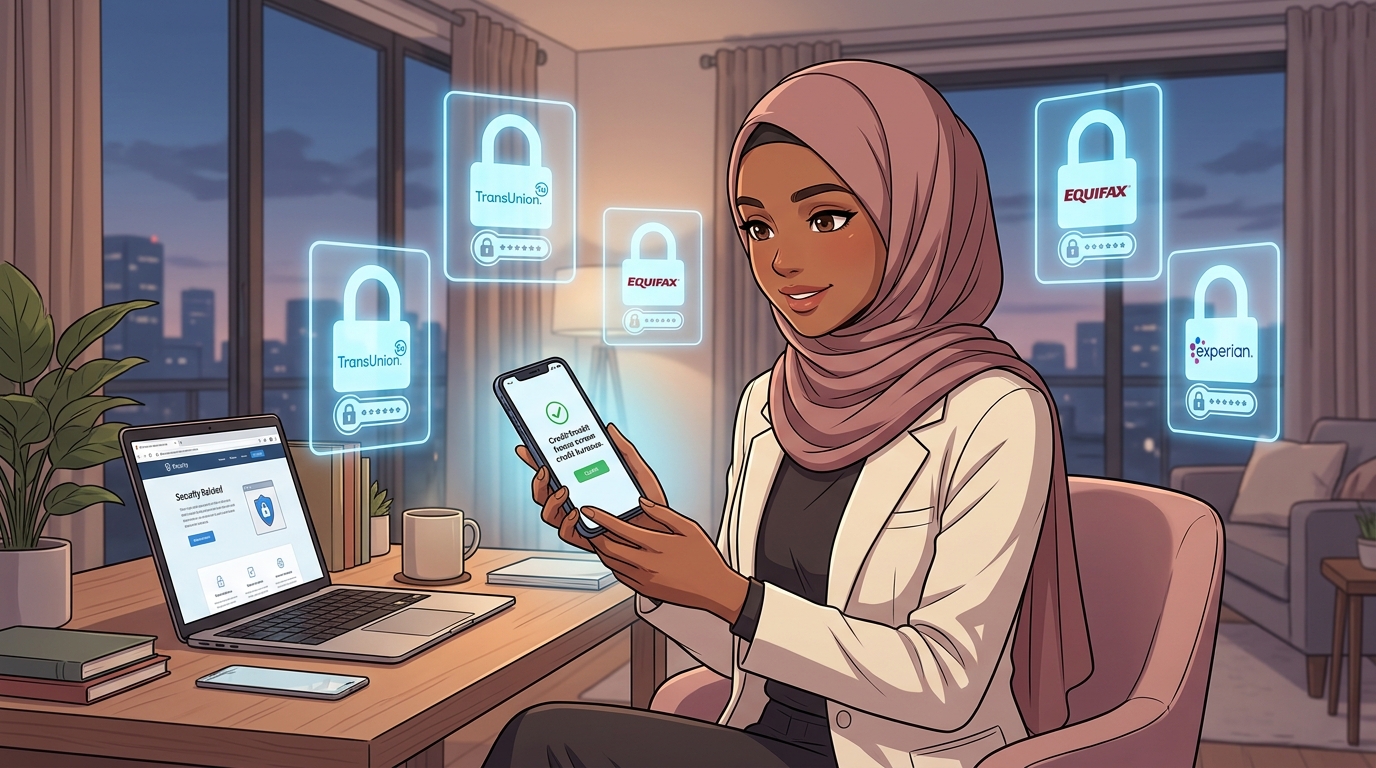
If Social Security Numbers Were Involved: Freeze Your Credit
A credit freeze restricts access to your credit report, which prevents new accounts from being opened in your name, since most lenders check credit before approving new credit. In the U.S., freezing credit with all three major bureaus (Equifax, Experian, TransUnion) is free by law, and can be done online in a few minutes each. A freeze doesn't affect your existing credit score or accounts — it only blocks new inquiries, and can be temporarily lifted whenever you need to apply for new credit yourself.
If Passwords Were Involved: Change Them, Especially Reused Ones
Change the password on the breached account immediately. More importantly, if that same password was reused anywhere else (a common and risky habit), change it everywhere it was reused, since attackers commonly test breached password lists against other popular sites — a technique called credential stuffing. This is the strongest practical argument for using a password manager and unique passwords per site going forward, since a single breach then only exposes one account rather than every account sharing that password.

Enable Two-Factor Authentication Where Available
Two-factor authentication (requiring a second verification step beyond just a password, like a text code or authenticator app) significantly reduces the risk that a stolen password alone is enough to access an account. Enabling this on email, banking, and any financial accounts specifically is a high-value use of a few minutes, since email access in particular is often the key that unlocks password resets across many other accounts.
Monitor, Don't Just Freeze and Forget
Free credit monitoring is frequently offered by the breached company itself for a period after a breach — worth signing up for even if just as a free layer of monitoring. Beyond that, periodically reviewing bank and credit card statements for unfamiliar transactions, and checking free annual credit reports from all three bureaus, catches most fraud early, when it's far easier to dispute and reverse.
What's Usually Not Necessary
Paid identity theft protection services offer convenience (automated monitoring, insurance for certain recovery costs) but much of what they do — checking credit reports, setting fraud alerts, freezing credit — can be done manually for free. They're not a scam, but they're also not strictly necessary for most people willing to do the free version of the same monitoring themselves.
If Fraud Has Already Occurred
In the U.S., IdentityTheft.gov (run by the Federal Trade Commission) provides a free, structured recovery plan and official reporting process specifically for identity theft, including template letters for disputing fraudulent accounts with creditors and credit bureaus.
The Bottom Line
A breach notification warrants a specific, prioritized response, not panic — freeze credit if Social Security numbers were involved, change and de-duplicate passwords, enable two-factor authentication, and monitor statements going forward. Most of the effective response is free and takes under an hour total.
Street Talk
JOIN THE DISCUSSION