YOU CHANGED JOBS. WHAT HAPPENS TO YOUR OLD 401(K)?
A 401(k) from a previous job doesn't disappear when you leave, but the decision about what to do with it has real consequences — including one option that quietly costs people a lot of money.
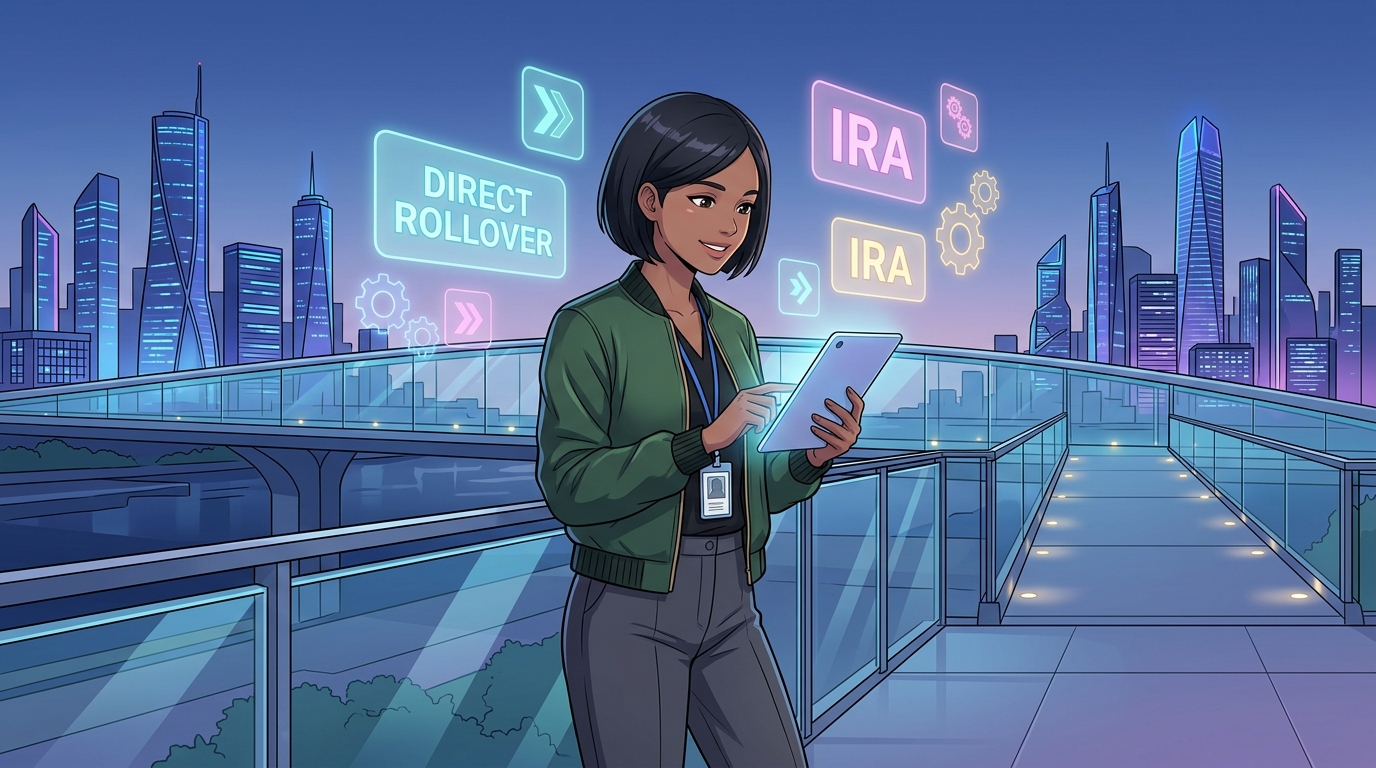
Leaving a job doesn't mean forfeiting a 401(k) balance — that money is legally yours, vested according to your plan's schedule. But what happens next involves a real decision with meaningfully different consequences depending on which option is chosen.
Option One: Leave It With the Old Employer
Many plans allow a former employee to simply leave the balance where it is, assuming it meets a minimum balance threshold (small balances are sometimes automatically cashed out or rolled into an IRA by the plan itself, depending on plan rules). This requires no immediate action, but means managing multiple retirement accounts across different employers over a career, which can become harder to track and rebalance holistically over time.
Option Two: Roll It Into a New Employer's Plan
If the new employer's 401(k) accepts rollovers (most do), the old balance can be moved directly into the new plan. This consolidates retirement savings into fewer accounts, which can simplify tracking, though it also means being limited to whatever investment options the new employer's plan offers, which vary in quality and fees from plan to plan.
Option Three: Roll It Into an IRA
Rolling an old 401(k) into an Individual Retirement Account (traditional or Roth, depending on the type of original account and tax considerations) is a popular choice specifically because IRAs typically offer a much wider range of investment options than a typical employer 401(k) plan, often with lower fees available through a low-cost brokerage. A direct rollover (funds moving directly from the old plan to the new IRA custodian, without passing through the individual's hands) avoids tax withholding and penalty issues that can arise with an indirect rollover.
Option Four (The One to Avoid): Cashing Out
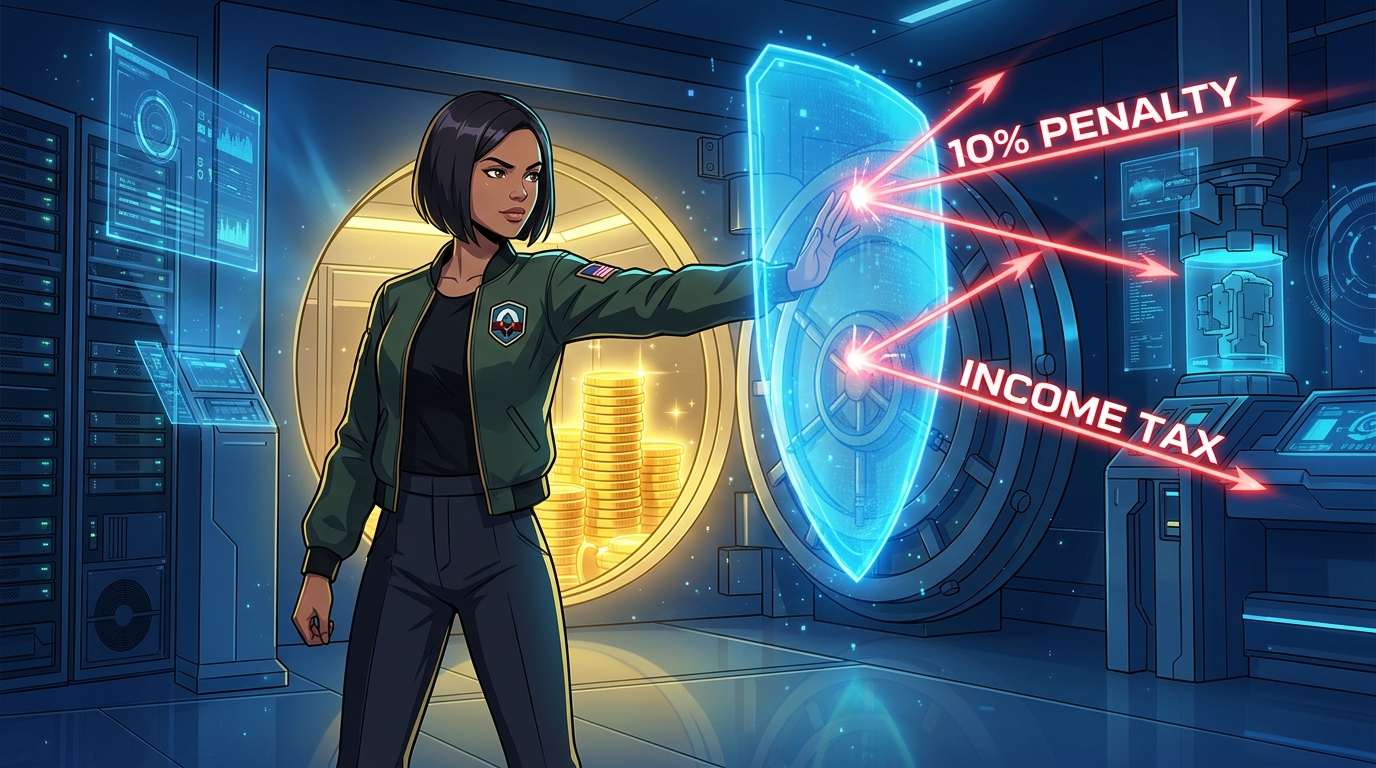
Cashing out a 401(k) rather than rolling it over triggers ordinary income tax on the full amount, plus — if under age 59½ — an additional 10% early withdrawal penalty in most cases. Beyond the immediate tax cost, cashing out also permanently removes that money from tax-advantaged retirement growth, a loss that compounds over the remaining years until retirement. Research on job-changers consistently finds that cashing out, especially for smaller balances, is a common and costly mistake, often driven simply by the balance feeling "too small to bother" rolling over — but the tax and penalty cost, plus lost future growth, usually far outweighs the inconvenience of a rollover.
The Direct vs. Indirect Rollover Distinction Matters
A direct rollover moves funds custodian-to-custodian without the account holder ever taking possession of the money — this is the cleanest, safest method. An indirect rollover sends a check to the individual, who then has 60 days to deposit the full amount into a new retirement account; if any portion isn't redeposited within that window, it's treated as a taxable (and potentially penalized) distribution. Indirect rollovers also often have 20% withheld automatically for taxes by the old plan, which then needs to be made up from other funds to complete a full rollover — an unnecessary complication a direct rollover avoids entirely.

A Reasonable Default Approach
For most people, requesting a direct rollover into either a new employer's plan (if it has good, low-cost investment options) or a personal IRA at a reputable low-cost brokerage is the simplest way to avoid both the tax consequences of cashing out and the long-term hassle of tracking too many scattered old accounts.
The Bottom Line
An old 401(k) doesn't need to be a source of stress after a job change, but it does need a deliberate decision. Rolling it over — directly, into either a new plan or an IRA — preserves its tax-advantaged status and avoids the real, often underestimated cost of cashing out.
Street Talk
JOIN THE DISCUSSION